sábado, 4 de abril de 2015

“CUBA si vede, si sente, si necessita come l’aria”


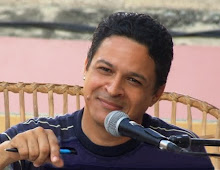
CONSUELO ALMAGUER : “Rimasi fisicamente in Radio Mambí per 28 anni, ma non ho mai cessato di sentirmi di casa”.


di Reinaldo Cedeño

Traduzione (IN COSTRUZIONE): Bernardino Pompili


Tutte le strade conducono a Roma. Per questo, un giorno prese una di quelle e si svegliò davanti a l Colosseo. Le pietre millenarie avranno vibrato con i loro battiti, con il suo geniusloci profondo; ma questa storia più recente. Qualche tempo prima……


Fine degli anni Cinquanta. Entriamo nello sguardo di una bambina che osserva i fiori della canna da zucchero nel modesto paese del “Central América”, nel cuore d’Oriente e nel suo udito, per ascoltare, silenziosamente, il tono inconfondibile di Violeta Casals dalla Sierra Maestra: “¡Aquííí Radio Rebelde… desde Territorio Libre de Cuba!”.

—Sarà tua, le dice il padre. Tua, la radio con l’occhio magico.

Questa è la storia di una donna que simise una città nel borsellino. A Santiago de Cuba le manca. Si chiama Consuelo Almaguer.

Paure e audacie

 “Mia madre ascoltava sempre quella radio, mia madre che se ne andò tanto presto. Da quell’apparecchio enorme ascoltavo le canzoni dell’epoca, ele cantavo, quando papi mi metteva sulla tavola di casa. Mi piaceva molto anche quella signora che diceva: “Rina dura más”. Ancora ignoravo che si trattava di una maestra eterna della locuzione, Consuelito Vidal.

“Fin da quando imparai a leggere mi piaceva che mi dessero il compito di leggere i giornali  o i libri in casa dei miei nonni. Avevo solo diciotto anni, quando se indisse un concorso per formare annunciatori, e mi presentai a Radio Revolución. Andrés Houdayer, y Rafael Fábregas, me diedero molta forza per continuare. Sentivomia a mia figlia Amor dentro dime e avevo moltissima paura.

Ricordiamo gli studi, i microfoni, i personaggi di quasi trent’anni… della tua storia a Radio Mambí, l’emittente più popolare di Santiago de Cuba…

““Nel settanta, andai in onda per la prima voltain Radio Mambí, nel programma “Qué tal gente joven” e in altri, quando mancavano Rolando Zacarías o José Antonio Llano, professionisti molto amati diquella stazione. Mi chiamarono anche per fare la produzione musicale di Radio Siboney, sebbene ufficialmente mi fecero il contratto nel 1972. Rimasi fisicamente in Radio Mambí per 28 anni, ma non ho mai cessato di sentirmi di casa.

“Creai il mio primo programma che chiamai “Esta tarde en Mambí”, uno spazio dei lavoratori. Fue l’embrione di quello che sarebbe stato dal 1982, “Santiago en 26”, il mio amato programma, sull’onda delle attività del territorio così significative in quel periodo. Era una festa, una festa ogni sera. Dovunque mi trovi in questo mondo ed ascolto canzoni molto popolari, mi trasportano a quell’epoca.


“Lí, mi formai la concezione della vita nella solidarietà; lí, trovai una famiglia che allo stesso tempo mi applaudì, mi rimproverò, e mi castigò anche; e sento che alcuni mi amano ancora. Facevo una trasmissionein diretta con Radio Progreso  e Eduardo Rosillo, per far conoscere a tutto il paese, quello che più si suonava a Santiago. Lí stesso introducevo temi di gruppi che io stessa portavo alla radio come Gloria Latina, Sur Caribe, Los Guanches, El Septeto Santiaguero, e tanti altri. Promuovere la musica di Santiago fu sempre un obbiettivo importantissimo per me, non solo perché era la mia terra, ma per tutti valori che avevamo e che continuiamo  ad avere”.

Ma ci furono anche la televisione, il teatro,  gli spettacoli…

“Soffrii tanto quanto mi divertii. Non ebbi mai vestiti adeguati, me li prestavano. E poi, venne la paura dei voli; la paura del microfono e alle lucie alle telecamere; paura specialmente a quel primo momento della messa in onda o all’uscita in scena. Fue incredibile quando uno come Germán Pinelli mi dicesse che anche lui era nervoso prima di ogni presentazione. Non posso non ricordare Amado Cabezas, quando il canale Tele Rebelde trasmise lo spazio “Desde mi cuadra”. Lavorai come conduttrice principale, insieme alle presentatrici Mileydis Ochoa

“Ebbi la fortuna di trovarmi al fianco di grandi annunciatori, di mia figlia Amor Almaguer, e in diverse occasioni insieme a Marialina Grau, Héctor Fraga, Lilia Rosa López, Pastor Felipe, Antonio Pera, Joaquín Mulén, Germán Pinelli e Enrique Santiesteban. Anche con Navarro Cuello, GuzmánCabrales, Rolando González, José Raúl Castillo, Ramòn Capote, Ángel Miguel Alea, Lorenzo Ruiz, Gerardo Houdayer, Yamilé González, Irma Shelton, JossyJiménez, Ana Margarita Gil, Ibrahím Apud, Marlon Alarcón Santana, e tanti, tanti altri…

“Fui presentatrice di famose personalità cubane e internazionali della musica, del cinema o del teatro. Al momento mi vengono in mente figure come Santiago Álvarez, Alicia Alonso, Juan Formell e Los Van Van, Adalberto Álvarez e Son 14, l’Orquesta Aragón, Elena Burque, Fernando Álvarez, Esperancita Ibis, Eva Griñán, tutta una galassia di stelle. Credo che, in verità, ho avuto molta fortuna”.

Perché  sempre la radio, perché tanta insistenza, perché una simile fedeltà?

“Perché mi permise di sentire l’amore per l’unità della famiglia santiaguera e cubana, oltre le porte, le finestre. Mi fecce credere che io ero la sua meglio compagnia. Per questo mi impegnai”.


Lo scrittore Lezama Lima parlava di “caso concorrente”, diquelles volte sorprendenti della vita. Che sensazioni... quando ti vedesti in Radio Rebelde, l’emittente che ascoltavi da bambina?

“Non solo l’ascoltavoin mezzo aquella atmosfera clandestina, insieme a mio padre e ai suoi compagni del “Movimiento 26 de julio”; matrai sette egli otto anni, io amavo imitare Violeta Casals. Lo facevo sottovoce, sotto il letto di papà e mamma.

“Il 21 gennaio 1998, mi trasferii all’Avana, e quattro giorni dopo, andai in onda con le notizie per l’intera Cuba ed oltre, tramite Radio Rebelde. Poco tempo dopo, partecipaia tutti i programmi di questa emittente, come voce fissa del “Noticiero Nacional de Radio” einsieme a Franco Carbón nel popolare programma “Así”, nei Leads culturalie nella parte del giornalismo radiofonico, sotto la direzione di Guillermo Piñeiro. Presentai altri programmi, anche a Radio Taíno. Questa “guajira” sta attenta a non essere presuntuosa, ma in quegli anni, lasciai un mucchio di fratelli”.
 

Nella Città Eterna

In questomomento, chiè Consuelo Almaguer León?

“Una figlia, una sorella, una madre, una  bisnonna che avrebbe desiderato a  vere più tempo da dedicare all’educazionee orientamento dei suoi cari. Ebbi la mia prima figlia molto presto, Amor, la quale mi regalò una bella nipotina, Angelita, che a sua volta già mi ha dato il mio primo bisnipote, Cristian Salvatore, napoletano. La mia seconda figlia, Arianne, mi ha dato due nipotine, Dalila e Carolin, nate nella città di Novara, al nord Italia. Sono dei veri amori”


(Consuelo Almaguer, sua nipotina Angelita e sua figlia  Amor, nella Fontana di Trevi)  
 

Qual è il tuo luogo preferito della Città Eterna?

“È molto difficile scegliere un luogo particolare, non importa se hai già camminato su quello stesso selciato più di una ventina di volte. Naturalmente, hogettato monete nella Fontana di Trevi, di spalle comevuole la tradizione, io e la mia famiglia. Ho pianto di fronte alla magnificenza del Campidoglio, o di fronte a quel simbolo universale che è il Colosseo, che ti mueve nel profondo, quando ti sovvengono ricordi di tanta storia.

“Mi incanta Piazza Navona, con la sua forma ellittica, che sta sopra le rovine del Circo di Domiziano. Lí si trova, tra tante diversità culturali, l’Istituto Cervantes; lí si moltiplicano le nostre emozioni, quando l’Ambasciata Cubana di Roma celebra la presentazione di un libro di uno scrittore o poeta cubano, o si apre un’esposizione. È tanta l’emozione che subito credidi stare, lí dentro, in un pezzetto di Cuba”.


Come si vede l’Isola da Roma?

“Cuba si vede, si sente, si necessita come l’aria. Sotto il suo sole non c’è postoper la nostalgia: c’è sempre unam pio sorriso, che non ti risulta maistrano, perchéè la tua gente. Sto in Italia dal 2009, e quando qualche italiana o italiano si accorge che sono cubana, quasi sempre mi fanno molte domande; ma soprattutto vedo che  mi osservano con  molto interesse. Echi non è ma i andato  a Cuba, finisce per volerla conoscere.

“Qui, incasa o in macchina, ascolto sempre Radio Mambo, che trasmette musica latinoamericana, specialmente la salsa cubana —come la chiamano qua—. I ristoranti e le associazioni cubane, dove si mangia e si balla, sono molto pubblicizzate in Italia. Non immagini quanta gente ama questa piccola gigante che è la mia Isola”.

“Quando mio marito stá a Cuba, dice che si sente come se stesse a Roma. Il romano ha una personalità aperta, abbastanza simile al cubano. Se vai al bar per un caffèe non saluti, lo fanno loroe ti commentano anche la notizia del giorno... .Sono estroversi. Sarà anche perché perfino il sole pare quello di Cuba. Ci sono luoghi, anche, nei quali subito mi sento come se fossi all’Avana o in qualsiasi città di Cuba. Equando passo per qualche strada stretta, con salite o discese, mi appare sempre la somiglianza con Santiago, ai miei occhi innamorati”

Se potessies primere un desiderio … quale sarebbe?

“Vorrei star insieme ai mie iascoltatori, anche se fossein una trasmissione, per i 500 anni della nostra città di Santiago de Cuba che si compiono quest’anno. Sono una figlia diquesta città, perchéanche se non nacqui propriolì, non abbandonerò mai quel seno che mifece sua. Sapereche, in ogni modo, il mio modesto lavoro è rimasto nel ricordo dei miei ascoltatori, è uno dei miei maggiori piaceri.”

Cos’èquello che più ti manca di Cuba?

“CUBA”.


VERSIONE IN SPAGNOLO:
“Cuba se ve, se siente, se necesita como el aire”

VERSIONE INGLESE:  
“CUBA is SEEN, FELT, NEEDED as the AIR”

“CUBA is SEEN, FELT, NEEDED as the AIR”


 (Consuelo Almaguer in Radio Mambi, Santiago of Cuba)

BY Reinaldo Cedeño Pineda

All roads lead to Rome. So, one day she took one of them and woke opposite the Coliseum. The ancient stones trembled with her heartbeat, her deep elf; but that’s her most recent story. A little behind…

Late 1950s. We will have to enter the look of a girl who watches the flowers of sugarcane in the modest neighborhood near America sugar mill, in the Cuban East. And her ears to listen, quietly, the unmistakable tone of Violeta Casals from the Mountain Range: “Here Radio Rebelde … from the Free Territory of Cuba”.

The magic eye radio will be yours, her father says.

This is the story of a woman who conquered an entire city. Santiago de Cuba misses her. Her name is CONSUELO ALMAGUER.

Fears and audacities

“My mother always was accompanied by that radio, my mother whom I lost so early. In that enormous apparatus I listened to songs of the time, and I sang when daddy took me up the table of the house. I also really liked the lady who said, “Rina lasts longer.” I did not know that she was an eternal masterpiece of spoken information: Consuelito Vidal.

“Since I learned to read I liked to receive the task of reading the newspapers or books at my grandparents´ house. I was only eighteen when a contest was made to form announcers, and I applied for it in Radio Revolucion. I took the test with about two hundred applicants … and I passed. The teacher Andrés Houdayer and Rafael Fabregas gave me strength to continue. I was pregnant and was very afraid.

Let’s review the studios, microphones, characters of almost three decades… your story on Radio Mambi, the most popular station in Santiago de Cuba…

“In the seventies, I was first aired on Radio Mambi, in the program Qué tal, gente joven, when Rolando Zacarias or José Antonio Llano, beloved professionals on the station, couldn’t do the program. I was also called to make the musical production of Radio Siboney, although I officially signed the contract in 1972. I physically was in Radio Mambi for 28 years but I have never ceased to feel myself of the house.

“I created my first program that I called Esta tarde en Mambí (This afternoon in Mambi), a space for workers. It was the embryo of what would be since 1982, Santiago en 26, my beloved program in the heat of the activities of the territory by the significant date (July 26th). It was a party, a party every evening. I am transported to that time wherever I am in this world and hear very popular songs.

“There I formed my view of life on solidarity; I got there a family that applauded me, scolded me, even punished me; and yet I feel that some love me. I made a direct transmission with Radio Progreso and Eduardo Rosillo, to make known to the whole country the most popular songs in Santiago. Right there I aired tracks by the groups me myself had taken to the radio as Gloria Latina, Sur Caribe, Los Guanches, the Santiaguero Septet, and many more. Promoting the music of Santiago was always an important goal for me, not only because it was my land, but for all the values that we had and still have. “

But there were also television, theater, shows…

“I suffered much as I enjoyed. I never had proper clothing, it was lent. And then came the fear of flights; fear of the microphone and to the lights and cameras; fear especially to that first moment-to-air or scene. It was amazing when someone like Germán Pinelli told me he was also nervous before each presentation. I can not fail to mention Amado Cabezas, when Tele Rebelde channel broadcasted the space Desde mi cuadra I worked as leading presenter, and shared with Mileydis Ochoa and Laritza Ulloa.

“I was fortunate to be next to great announcers, my daughter Amor Almaguer, and in different scenarios share with Marialina Grau, Hector Fraga, Lilia Rosa López, Pastor Felipe, Antonio Pera, Joaquín Mulen, Germán Pinelli and Enrique Santiesteban. Also with Navarro Cuello, Guzman Cabrales, Rolando González, José Raúl Castillo, Ramòn Capote, Angel Miguel Alea, Lorenzo Ruiz, Gerardo Houdayer, Yamile Gonzalez, Irma Shelton, Jossy Jimenez, Ana Margarita Gil, Ibrahim Apud, Alarcon Santana, with many, many …

“I was host of famous Cuban and international personalities in music, cinema or theater. Figures come to my mind right now like Santiago Álvarez, Alicia Alonso, Juan Formel and Los Van Van, Adalberto Álvarez and Son 14, Aragón Orchestra, Elena Burque, Fernando Alvarez, Esperancita Ibis, Eva Grin, an entire constellation of stars. I think, actually, I’ve been very lucky. “

Why then the radio, why so insistently, why such loyalty?

“Because it allowed me to feel love for the unity of Santiago and Cuban family, beyond doors and windows. It made me believe that I was their best company. And so I made my best”.

What holds did you have, what springs did you move to attain that excellent communication with your listeners?

“The spoken information is for me a goal I still pursue. You and I know there must be very sincerity to make people believe what you transmit. I have just counted on that. “

The writer Lezama Lima spoke of “concurrent chance”, of those surprising twists of life. What sensations flooded your mind when you were at Radio Rebelde, the station you listened to as a child?

“I not only listened to it in midst of that clandestine atmosphere, with my father and his companions from July 26th Movement; but when I was seven or eight, I wanted to imitate Violeta Casals. I did it lower, under the bed of my mommy and daddy.

“On January 21, 1998, I travelled to Havana, and four days later, I went on air with the news to Cuba and beyond, through Radio Rebelde. Shortly thereafter, I worked throughout the programming of this station, as fixed voice of the Cuban National Radio News and with Franco Carbón on the popular program Asi, on cultural leads and in broadcast journalism, under the direction of Guillermo Piñeiro. I also did voiceover in other programs, and in Radio Taino. This peasant is careful not to be presumptuous, but in those years I left there a lot of brothers
“.
In the Eternal City


-->
(Consuelo Almaguer with his granddaughter Angelita and daughter Love at Fontana Di Trevi)


To this point, who is Consuelo Almaguer Leon?

“I am a daughter, a sister, a mother, grandmother and great-grandmother who would have liked to have more time to devote to education and orientation of my home. I had my first child early, Amor, from whom I received a beautiful granddaughter, Angelita, who in turn already gave me my first grandson, the Neapolitan Cristian Salvatore. My second daughter, Arianne, gave me two granddaughters, Dalila and Carolin, who were born in the city of Novara, northern Italy. They are true loves”.

What is your favorite place in the Eternal City?

“It’s really hard to pick a reference site, no matter if you already walked on those cobblestones more than twenty times. Of course, I threw coins in the Trevi Fountain, back to it as tradition dictates, me and my family. I cried in front of the magnificence of the Capitol, or against this universal symbol the Coliseum is, that shakes you to the core, when so much history references come to you.

“I love the Piazza Navona, with its elliptical form, which is on the ruins of the Domitian Circus. There is, among so much cultural diversity, the Cervantes Institute; our emotions are multiplied there, when suddenly, the Cuban Embassy in Rome celebrates the presentation of a book by a Cuban writer or poet, or when an exhibition opens. Such is the emotion that suddenly you think you are, there, in a bit of Cuba. “

How is Cuba seen from Rome?

“Cuba is seen, felt, needed as air. Under its sun there is no room for nostalgia: it is always the large smile, which never seems strange to you, because it is your people. I’m in Italy since 2009, and when an Italian or Italians know I’m Cuban, almost always ask me lots of questions; but mostly I see they watch me with interest. And those who have never been to Cuba, just want to know it.

“Here, at home or in the computer, I am always with Radio Mambo, which broadcasts Latin American music, especially Cuban salsa –as it is called here. Restaurants and Cuban associations, where you eat and dance, are widely publicized in Italy. You would not believe how many people want that little giant that my island is. “

“When my husband is in Cuba, he says he feels like if he was in Rome. The Roman has an open personality, quite similar to the Cuban. If you go to the bar for a coffee and do not greet, they do it and even discuss the day’s news or anything else with you. They are extroverts. Even the sun is like that of Cuba. There are places when suddenly I react as if in Havana or in any Cuban city. And when I go through some narrow streets, with ups and downs, resemblance with Santiago appears before my loving eyes “.

If you could make a wish right now … what would it be?

“I would like being with my listeners, at least in a transmission for the 500th anniversary of our town of Santiago de Cuba. I am a daughter of that city, because although I was not born into it properly; I never abandon the breast that took me as a daughter. Knowing that, somehow, my modest work has remained in the memory of my listeners, is one of my greatest joys.

What do you miss the most about Cuba?

“CUBA”.

♣ VERSION IN SPANISH. VERSIÓN EN ESPAÑOL :
-->Consuelo Almaguer: Cuba se ve, se siente se necesita como el aire”

 ITALIAN:
“Cuba si vede, si sente, si necessita come l’aria”


miércoles, 1 de abril de 2015

SANTIAGO DE CUBA, 3-5 de abril / 4. CONCURSO NACIONAL DE MÚSICA CUBANA ELECTO ROSELL, CHEPÍN


 Electo Rosell, Chepín , gloria de la música cubana 

POR Reinaldo Cedeño Pineda

Estimular el movimiento del creador musical, promover la música cubana y a sus intérpretes, así como saludar el 500 aniversario de la fundación de la villa de Santiago de Cuba, son objetivos esenciales del  4. Concurso Nacional de Música Cubana Electo Rosell, Chepín, declaró el compositor Rodolfo Vaillant, presidente del Comité Provincial de la UNEAC en Santiago de Cuba, entidad auspiciadora del certamen.

    Sones, danzones, guarachas, canciones, pregones y boleros se encuentran entre las dieciocho obras finalistas, escogidas entre las 180 recibidas de autores de todo el país, que serán defendidas en el escenario del teatro Heredia del 3 al 5 de abril venideros.

   Entre los intérpretes que pondrán ritmo y estilo a los temas del concurso se encuentran las orquestas Chepín-Chovén y Los Karachi, el Septeto de la Trova, el Septeto Sones de Oriente, Los Guanches, Estrella de la Charanga; así como el trío Romance, la voz de oro de Joel Leyva y la polifacética Grisel Gómez, quien ofreciera recientemente un concierto inolvidable en la sala de conciertos Dolores.

  
 Yaima Sáez, artista invitada

   El 4. Concurso Nacional de Música Cubana Electo Rosell, Chepín, contará asimismo con la presencia de Farah María, Yaima Sáez,  Sixto Llorente, El Indio, y el actor Miguel Moreno, reconocido por su  papel de “La Llave”, participarán en sus galas como artistas invitados, aunque los organizadores reservan otras sorpresas.

   El evento rinde homenaje a toda una leyenda de la música cubana, Electo Rosell, Chepín (1907-1984), violinista, director de orquesta  y compositor de temas antológicos como Murmullo, Bodas de Oro y El platanal de Bartolo. 


ARTÍCULO  RELACIONADO

♣ Grisel Gómez: tú eres la música: RESEÑA, Foto y Video


domingo, 22 de marzo de 2015

CARNE TALADA


Reinaldo Cedeño Pineda 

—¡¿Pero hay que seguir a pie con todo este equipaje?!, dijo la cineasta y escritora norteamericana Alison McMahan. Cámaras y aditamentos eran alquilados y costosos. Ante ellos, apareció un sendero de bueyes y faltaban unos dos kilómetros para llegar al lugar, Cambodia adentro.

—¡Qué americanos tan flojos!, fue la respuesta de los aldeanos. Y sin más, cortaron una larga vara de bambú y colgaron todo. El equipo había llegado desde los Estados Unidos y… se adentraron en la vida después del horror.

Veal Thom es un sitio perdido del sudeste asiático donde trabajan y viven personas amputadas de sus extremidades, junto a su familia. Algunos son sobrevivientes del genocidio de Pol Pot, régimen que exterminó a más de dos millones de seres entre 1975-1979. Otros son niños, víctimas de un suelo erizado de minas tras largos años de guerra.

Un panorama terrible asoma, pero la cinta es sobre todo, un canto a la voluntad. No importa donde, una historia humana bien contada siempre  toca.

Me revuelvo en la butaca del cine Cuba ante la obra Manos propias, piernas de madera / Bare hands and Wooden limbs. La cinta ganó para su directora, Alison McMahan, el premio a la mejor dirección  (categoría de cortometraje-mediometraje) del 14 Festival Internacional de Documentales Santiago Álvarez in Memoriam, desarrollado recientemente en Santiago de Cuba.

Exhibida ya en Estados Unidos y Europa, los asistentes a la exhibición hemos vivido un privilegio. Desafortunadamente, aborda un tema sin caducidad ninguna: el de la guerra, el de las minas, el de las víctimas inocentes.

Apunto una frase en mi cuaderno. Taladra como letra filosa: “Las minas  terrestres  son soldados perfectos, nunca duermen y nunca mueren. Pero tampoco saben a qué partido apoyan, o cuando la guerra se ha acabado”.


Manos propias, piernas de madera

Una niña  arquea la mano. Un pequeño se alza  con su manga vacía. Otro, hace sonar un par de discos diminutos con sus muñones.

Un aldeano sale todos los días a la selva, sin instrumento alguno, como un mandato interior. Y arranca cada vez, una mina del campo de la muerte. Se monta incluso un “museo” con toda esa maldad metálica.

Un hombre sin piernas avanza por entre el yerbazal. Una mano pequeña arrastra un juguete de madera, hecho casi sin manos.

Un excomandante de los khmer rojos y Chêm Sip —otrora perseguido y torturado—, toman el té. ¿Qué surcos ha marcado la vida detrás de esos rostros? Años atrás fueron enemigos, pero hoy  trabajan juntos para hacer posible la comunidad.

Apenas hay lágrimas en Manos propias, piernas de madera. Es un dolor seco, resguardado en lo más profundo. Sin embargo, al conversar con su directora, la emoción está a flor. Ella y su pequeño equipo fueron a Cambodia convocados por una Organización  No Gubernamental, para apoyarles en el entrenamiento del uso de prótesis; pero encontraron más que eso.  Y sumaron al final unas seis semanas, en tres visitas diferentes.

“Filmamos horas y horas de película con muchos testimoniantes. Luego debimos esperar un tiempo para volver sobre las historias con esas mismas personas. También tuvimos que localizar imágenes de archivos de aquel holocausto en Cambodia, para situar al público norteamericano y a todo el que tuviera acceso al material.

“Nos enfrentamos a una realidad estresante, a creencias muy singulares sobre los muertos —casi opresivas—, a historias impresionantes; pero no quería una película lacrimógena, porque entre esa gente hallé mucho coraje”.


Reinaldo Cedeño entrevista a la documentalista y escritora norteamericana Alison McMahan 

Alison afirma deberle mucho a la editora Kathryn Barnier, en la síntesis y montaje de todo lo filmado, y por supuesto, al camarógrafo Mathieu Roberts; pero aclara: “nosotros no inventamos nada, solo testimoniamos lo que vimos”.

“Saqué grandes lecciones de la realización de este documental. Cuando me fui a casa con toda esa realidad a cuestas, me di cuenta que lo más difícil que haya pasado en mi vida, es nada comparado con lo que vi. No tengo derecho a quejarme. He sido profesora y enseño a gente que a veces repara en los obstáculos…entonces les paso el documental para que vean lo que es realmente difícil.

“También he pensado que  por más enemigos que puedan ser dos personas, aunque sea difícil olvidar o perdonar; siempre se puede tener un espacio para la vida, siempre se puede crear un futuro”.

Veal Thom es una utopía, un espejo, un canto, un desgarrón.

La neoyorquina McMahan acaba de terminar su novela The Saffron Crocus, cuyo escenario es una trama cuasi policial en la Venecia de 1643. Ahora mismo se empeña en el proceso de su próximo documental The Eight Faces of Jane / Los ocho rostros de Jane, alrededor de la vida y obra de Jane Chambers, dramaturga y lesbiana, cuya obra reivindica el derecho al amor, sin importar la preferencia sexual.

Cuando pongo punto final a nuestra conversación, la mente se me inunda con aquel  poema de Miguel Hernández, musicalizado por el catalán Joan Manuel Serrat  “Para la libertad sangro, lucho, pervivo… / Porque soy como el árbol talado, que retoño / porque aún tengo la vida”.